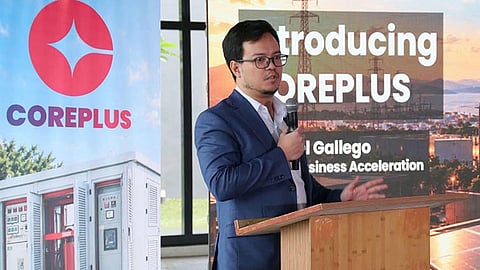


CEBU businesses should strengthen their internal power systems and improve energy efficiency as volatility in the Visayas grid is expected to persist through 2028, according to an energy services provider.
During the Sidlak Cebu: Building Business Resilience During Energy Volatility event at JEG Tower, PJ Vinoya, CorePlus senior business development manager, said recurring grid alerts, power plant outages, rising electricity demand and fluctuating power prices pose risks to business operations beyond higher electricity bills.
He said businesses should also account for voltage fluctuations, equipment wear, operational downtime and future expansion requirements when assessing their energy needs.
The event gathered around 50 business owners and industry professionals to discuss measures to strengthen electrical systems and manage energy risks.
Sessions covered electrical safety audits, compact secondary substations, solar power systems and energy technologies, including battery energy storage systems. Participants also had access to consultations with CorePlus and its technology partners to assess potential solutions for their facilities.
CorePlus, a subsidiary of CorEnergy under Vivant Energy, provides engineering and technical services for commercial and industrial facilities,
including electrical maintenance, energy efficiency upgrades, energy management systems and solar-plus-storage projects.
Melo del Gallego, CorePlus assistant vice president for business acceleration, said businesses need to move beyond reacting to changes in the power market and focus on managing energy requirements within their control.
The company said it aims to help businesses identify appropriate technologies and solutions to improve operational stability amid continuing energy challenges. / KOC