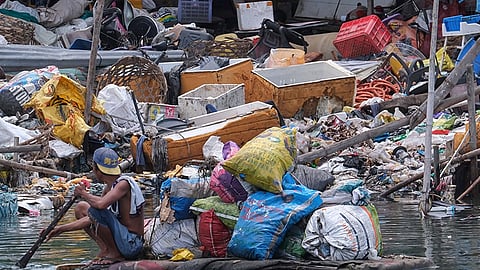


The Cebu City Council ordered the Executive Department to present a comprehensive, long-term waste management plan within 15 days due to soaring temporary hauling costs following the Jan. 8, 2026 Binaliw landfill landslide.
Long-distance transport to a private landfill in Aloguinsan raised disposal costs from P1,100 per ton to P3,906 per ton, driving daily spending to P4.2 million to P4.5 million and threatening to exhaust funds by November.
Reopening Binaliw faces obstacles including an intake cap of 500 metric tons, an unsettled P130 million operator balance, procurement delays, and unresolved safety concerns regarding waste mass stability and methane venting.
THE Cebu City Council has ordered the Executive Department to present a comprehensive, long-term waste management plan within 15 days, as temporary measures following a deadly landfill disaster continue to drain city finances.
Crisis rooted in landfill landslide
The legislative push, led by Councilor David Tumulak, comes months after a Jan. 8, 2026 landslide at the Binaliw landfill killed dozens of people and forced the shutdown of the primary waste facility. The tragedy prompted the City to declare a state of calamity on Jan. 13, allowing local officials to tap emergency disaster funds and maintain garbage collection.
While emergency interventions kept waste moving, the state of calamity remains unrevoked. Councilors emphasize that temporary arrangements were never intended to serve as a permanent waste management framework for the City.
Surging costs of temporary hauling
Without full access to the Binaliw site, Cebu City has been transporting much of its waste to a private landfill in Aloguinsan, roughly 60 kilometers away. The long-distance transport has driven disposal costs from P1,100 per ton at Binaliw to P3,906 per ton in Aloguinsan.
The City currently generates between 600 and 700 metric tons of garbage daily, resulting in a daily expenditure of P4.2 million to P4.5 million. Annual waste management spending is projected to reach nearly P2 billion — four times the P500 million budget required before the landslide. Out of nearly P900 million allocated for waste disposal, including P400 million under Supplemental Budget 1, Mayor Nestor Archival warned that funds could run out by November, potentially requiring an additional P100 million to P200 million allocation.
Barriers to returning to Binaliw
Reopening Binaliw as a primary site remains fraught with logistical, financial, and safety obstacles. Although Environmental Management Bureau 7 lifted its cease and desist order on the facility, it capped daily intake at 500 metric tons, which falls short of the city’s daily output.
City officials also face an unsettled P130 million balance with the site operator, alongside mandatory procurement processes that Archival estimates will delay any operational return by two to three months. Safety concerns further complicate matters. The Office of the Building Official stated it lacks the technical capacity to certify the stability of the waste mass, while disaster risk officers flagged issues with methane venting, fire protection and leachate management.
Exploring waste reduction and next steps
To ease the financial and logistical strain, the City has begun expanding waste diversion efforts. An Ecostation at the South Road Properties processes a fraction of city waste, supported by P145 million in Local Government Support Fund assistance designed to increase processing capacity by 50 to 60 tons daily. The Provincial Government also introduced a framework in January encouraging waste segregation and composting.
Tumulak urged residents to practice household waste segregation to immediately reduce disposal volumes while the Executive Department prepares its mandated roadmap. The council’s 15-day deadline requires city administrators to deliver a permanent strategy that ensures financial sustainability and eliminates reliance on single landfill sites. / CAV