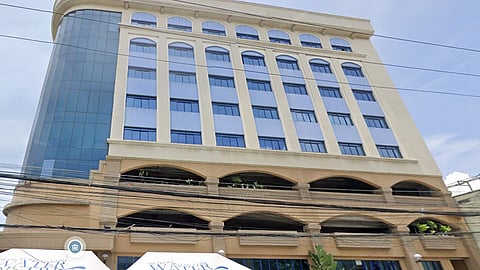


Metropolitan Cebu Water District Chairman Ruben Almendras stated the district is confident it can lower its Non-Revenue Water rate to 27 percent this year to brace for potential El Niño shortages.
Cebu City Mayor Nestor Archival directed MCWD on September 15, 2026, to reduce its Non-Revenue Water rate from 29 percent to 27 percent as part of city disaster preparations.
MCWD currently loses 76,890 cubic meters of unbilled water daily due to leaks, illegal connections, inaccurate meters, and unauthorized extractions, prompting round-the-clock repair teams and expedited excavation agreements.
THE Metropolitan Cebu Water District (MCWD) is confident it can bring its Non-Revenue Water (NRW) rate down to 27 percent this year, a reduction the district considers crucial as it braces for the possible loss of production from major water sources during the dry period.
MCWD chairman Ruben Almendras said the district has made significant progress in reducing the amount of water produced and supplied that does not end up as billed consumption.
The district’s NRW rate fell to 29.73 percent in July 2026 from 37.99 percent in January 2025, when it recorded its highest rate, and 33.78 percent in January 2026.
Ambitious target
“27 percent NRW is achievable,” Almendras told SunStar Cebu on Friday, Sept. 18.
The statement came after Cebu City Mayor Nestor Archival directed MCWD earlier this week to reduce its NRW rate from 29 percent to 27 percent as part of city preparations for the expected effects of El Niño. Archival issued the directive during the 9th Regular Meeting of the Cebu City Disaster Risk Reduction and Management Council on Tuesday, Sept. 15, instructing the secretariat to prepare a resolution directing MCWD to work toward the 27 percent target.
While the directive came from the Cebu City Government, the 27 percent figure is also MCWD’s internal target for 2026, according to Almendras. The district is targeting a further reduction to 25 percent by 2027.
For a water utility, NRW represents water entering the system that yields no billed consumption. Almendras said that at an NRW rate of about 29 percent, MCWD loses 76,890 cubic meters of unbilled water daily due to leaking pipes, illegal connections, inaccurate water meters and unauthorized extraction from hydrants.
Detection and repairs
The scale of the problem is reflected in the volume of work received by MCWD, which gets around 1,600 monthly reports or requests involving mainlines, service connections and stub-outs. To address this, MCWD maintains dedicated leak-detection and repair teams operating 24 hours a day across its service area. Leaks not requiring excavation are repaired within the same day.
For mainline leaks requiring excavation, MCWD and the Cebu City Government recently agreed on an arrangement allowing the district to proceed with excavation once a permit application is filed, rather than waiting for formal issuance. Almendras said this arrangement allows MCWD to complete mainline leak repairs within two days.
MCWD is also turning to pressure monitoring to identify hidden underground leaks. The district has outsourced pressure monitoring in Mactan, with similar work scheduled to begin in Cebu City in October. Pressure data, combined with reported leak information, will guide where further detection efforts are needed. After gathering data, MCWD will consider hiring third-party contractors for leak detection and repair under a “no cure, no pay” arrangement, complementing its existing crews.
Mitigating supply loss
The push to reduce NRW comes as MCWD prepares for a possible decline in production from existing sources during the dry period. MCWD expects to bring an additional 20,000 cubic meters per day into its system by December through eight in-house groundwater wells and increased supplies from bulk-water providers.
The additional volume is expected to cushion anticipated production drops from the Buhisan and Jaclupan wells, which currently produce a combined 30,000 cubic meters per day — about 10 percent of MCWD’s total output. Output from the two sources could fall by about 18,000 cubic meters per day during El Niño, with wells potentially drying up or operating at minimal capacity.
Against that projected loss, reducing NRW offers MCWD another way to stretch available water within its system. Rather than relying solely on new sources, the district seeks to recover water currently lost through leaks, theft and inaccurate metering.
Restoring upland supply
Preparations come as some upland communities in Cebu City experience water-supply disruptions. Residents in Talamban and Pit-os reported prolonged periods of dry taps, prompting city officials to call for immediate action from MCWD and its bulk-water suppliers.
As part of the response, JE Hydro & Bio-Energy Corp. committed to adding five million liters per day to the city’s water supply, benefiting Pulangbato, Pit-os, Bacayan, Talamban and neighboring areas. The City is also pursuing longer-term options.
The City Council unanimously approved a resolution interposing no objection to JE Hydro’s proposed 200,000-cubic-meter impounding water lagoon in Barangay Lusaran to support bulk water supply for upland barangays. The project remains subject to environmental requirements, applicable laws, and necessary agency clearances.
For MCWD, adding new sources is only one part of preparing for tighter supply conditions. The district’s NRW reduction program aims to maximize water efficiency, bringing the loss rate down from nearly 38 percent in early 2025 to 27 percent this year and 25 percent by 2027. / CAV