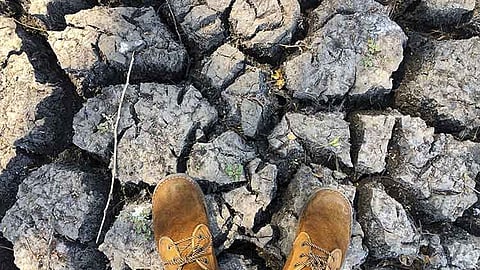


Pagasa weather specialist Jhomer Eclarino stated that a moderate to strong El Niño could intensify to a very strong level before the end of 2026 and persist into the first half of 2027.
Cebu is projected to experience dry conditions by the end of November, a dry spell by the end of December, and possible drought by the end of February 2027 due to reduced rainfall.
The drought risk also extends to other parts of Central Visayas, Eastern Visayas, and the Negros Island Region, which could affect water supplies and agriculture.
A MODERATE to strong El Niño is present in the tropical Pacific and could persist into the first half of 2027, with Cebu facing possible drought by the end of February, according to the Philippine Atmospheric, Geophysical and Astronomical Services Administration (Pagasa).
Pagasa weather specialist Jhomer Eclarino told SunStar Cebu in a phone interview on Monday, Sept. 7, 2026, that the weather phenomenon could intensify to a very strong level before the year ends, increasing the risk of prolonged dry conditions in several parts of the country.
For Cebu Province, generally fair weather is expected during the second and third weeks of September, with hot and humid conditions likely to prevail.
Eclarino said long periods without rain are also expected, although isolated rain showers and thunderstorms may still occur.
Rainfall outlook
Cebu is expected to receive near-normal rainfall in September, Eclarino said, but reduced rainfall in the following months could lead to prolonged dry conditions.
The outlook projects dry conditions in Cebu by the end of November and a dry spell by the end of December.
Under Pagasa’s classification, a dry condition means two consecutive months with rainfall 21 to 60 percent below average.
A dry spell means three consecutive months with that rainfall deficit, or two consecutive months with rainfall more than 60 percent below average.
Eclarino said Cebu’s dry spell could persist into January, with drought possible by the end of February.
Drought risk
Pagasa defines drought as five consecutive months with rainfall 21 to 60 percent below average, or three consecutive months with rainfall more than 60 percent below average.
These categories describe accumulated rainfall shortages and do not mean an area receives no rain.
Eclarino said the drought risk also extends to other parts of Central Visayas, Eastern Visayas and the Negros Island Region.
Prolonged rainfall shortages could affect water supplies, agriculture and other sectors that depend on regular rain. / DPC