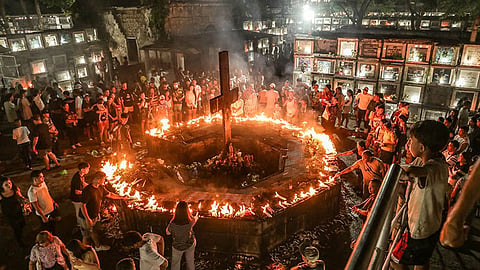

After Kalag-kalag, the candles may have burned out and cemetery tents may have come down, but the flavors of remembrance linger in Cebuano kitchens. From sticky rice delicacies to family recipes, food remains one of the most enduring ways families honor their departed.
Observed every Nov. 1 and 2, Kalag-kalag, derived from kalag, the Cebuano word for soul, brings families together to remember loved ones through prayers, visits to cemeteries and shared meals. Among its traditions, preparing food for the departed remains a deeply personal expression of love and remembrance.
Biko, budbud, pintos and sikwate often find their way into family gatherings, alongside dishes once favored by departed relatives. For some households, food is also set aside on altars or gravesites as an offering to visiting spirits.
For Ernetta Puspus, a Santander native and grandmother, preparing these dishes is a tradition she continues with affection. Waking up at dawn to cook for the occasion is part of her annual routine.
“Every time we set out food and cook our family’s recipes, we aren’t just feeding ourselves — we are holding onto our roots and remembering who we are,” Puspus shared.
The practice traces its roots to precolonial ancestral offerings, which gradually intertwined with Christian observances of All Saints’ Day and All Souls’ Day. Folk beliefs hold that departed souls return to visit their families, making food offerings an act of hospitality and spiritual connection.
“It’s like a fire doesn’t die out as long as someone tends to the embers — just like our food offerings and prayers keep the memory of our loved ones alive,” Puspus noted.
For her, cooking also becomes a way of visiting those who have passed, turning the preparation of food into a reunion despite their physical absence.
Beyond spiritual beliefs, these meals bring together relatives, friends and neighbors, sustaining long cemetery vigils and transforming remembrance into a gathering of community.
As the festivities fade, the recipes remain. In every wrapped budbud, familiar dish and story shared around the table, families carry forward the memories of those who came before them.
“Our memories remind us of where we came from and guide who we are today,” Puspus said.
In Cebuano homes, Kalag-kalag may last only a few days on the calendar, but through food, its remembrance continues long after the candles go out. S
