

A DOCTOR specializing in diabetes reminded the public that type 2 diabetes can affect children as young as 12 years old, urging early screening for those who are overweight, have a family history of the disease, or lead sedentary lives.
Dr. Gener Rubio Jr., FDCD, FPSD, an internal medicine-diabetology specialist of San Pedro Hospital, gave the reminder during the Department of Health (DOH) media engagement on Friday, Oct. 30, 2026, at the conference room of the PRRD Building, DOH-Davao Center for Health Development, in Davao City, ahead of World Diabetes Day on Saturday, Nov. 14, 2026. This year's theme is "Early action on diabetes," according to the World Health Organization (WHO).
Rubio said young patients used to be mostly type 1 cases, but lifestyle and a strong family history now put children at risk of type 2. He warned parents not to see an overweight child as simply healthy.
"We should be aware, hindi na siya cute and tambok, but they are really high risk for developing diabetes in the future (We should be aware, it is no longer cute and chubby, but they are really at high risk of developing diabetes in the future)," he said.
Rubio said about 4.7 million people in the Philippines live with diabetes, in line with International Diabetes Federation data showing 4,726,300 adult cases, or a prevalence of 7.5 percent among adults, in 2024. The federation's Diabetes Atlas projects the number to reach 8.6 million by 2050.
Diabetes mellitus is also the country's fifth leading cause of death, with more than 31,000 deaths, according to provisional 2025 data from the Philippine Statistics Authority.
Worldwide, more than 40 percent of people with diabetes are undiagnosed, according to the WHO. Its member states agreed in 2022 on 2030 targets that include diagnosing 80 percent of people with diabetes and achieving good blood sugar control for 80 percent of those diagnosed.
The gap is wider outside the cities, he said, where some residents get their blood sugar screened for the first time.
"So, just imagine globally, it's only around 7 to 8 or 9 percent ang prevalence (the prevalence rate), but sometimes when we go beyond the city, 20 percent," Rubio said.
He said guidelines call for blood sugar tests starting at age 40 and yearly after that, but those with risk factors shouldn't wait.
"If you are 12 years old, 14 years old, but you're overweight, you have a strong family history of diabetes, and a sedentary lifestyle, you may already get your blood extraction anytime," he said.
Warning signs he listed include unexplained weight loss, frequent thirst and urination, blurred vision, and foot wounds that do not heal. For exercise, he cited a Heart Association recommendation of "at least 30 minutes a day, ideally five times a week."
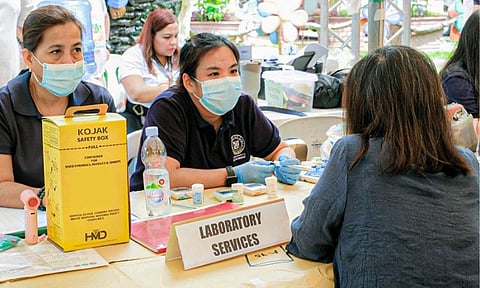
DOH Davao OIC-Assistant Regional Director Dr. Grace Amistoso said DOH nurses and midwives deployed to barangays screen residents for diabetes, hypertension, and high cholesterol, then refer those with high sugar levels to higher levels of care.
Asked if rising cases are linked to poverty, she said: "Medyo hindi natin ma-co-correlate 'yan (We can't quite correlate that)," pointing instead to diet and sedentary habits.
On the cost of medicines, she said health facilities are working to become medicine providers under the Yakap program, which also covers needed tests.
"'Yung mga test na kailangan, covered na po 'yon, 'pag ikaw ay naka-enroll na sa Yakap (The tests you need are already covered once you are enrolled in Yakap)," she said.
In Davao City, the City Health Office offers free consultations, blood sugar tests, nutrition counseling, foot and wound care, and free medicines after assessment and diagnosis, with a Diabetes and Heart Day every Friday at barangay and health centers, the city government reported in November 2025.
With the holidays near, Rubio said he expects sugar levels to rise and reminded patients to keep taking their medicines and staying active. GRS
