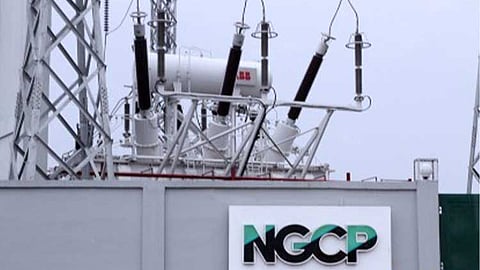

THE Mindanao power grid ended September 6 with a 264-megawatt (MW) gross reserve, offering some relief after the region experienced repeated red and yellow alerts earlier in the week amid generating plant outages and rising electricity demand.
Data from the National Grid Corporation of the Philippines (NGCP) showed that Mindanao recorded 2,410 MW in peak demand against 2,674 MW of available capacity on September 6, leaving a 264-MW gross reserve.
The latest figure was a significant improvement from the situation at the start of September, when the grid's reserve margin narrowed sharply and available generation fell below projected demand.
On August 31, Mindanao had only 98 MW of gross reserve, with 2,533 MW of available capacity against 2,435 MW in peak demand. The reserve improved to 254 MW on September 5 before reaching 264 MW the following day.
However, the latest figures come after a particularly tight week for the island's power system.
On September 2, the Mindanao grid was placed under red alert after available capacity fell to 2,526 MW, compared with projected peak demand of 2,545 MW. NGCP attributed the alert to the unavailability of major coal-fired generating units, increased demand forecasts, and declining available generation.
The situation persisted on September 3, when Mindanao was placed under red alert from noon to 9 p.m., with yellow alerts before and after the red-alert period. Available capacity was estimated at 2,480 MW against a projected peak demand of 2,546 MW, leaving a 66-MW supply gap.
NGCP said several generating units remained unavailable, including GNPower Kauswagan Units 1 and 2 and Therma South Inc. Unit 2. As of September 3, seven plants were on forced outage for the month, while other units had been unavailable since previous months and years. Seven additional plants were operating at derated capacities, resulting in about 841.6 MW of unavailable capacity.
The tightening supply situation prompted Davao Light and Power Co. to warn consumers that power interruptions could become necessary if the imbalance between supply and demand persisted. The utility also urged consumers to conserve electricity, particularly during peak periods.
The concern has also revived discussions about Mindanao's long-term generation requirements. The Davao Consumer Movement earlier warned that recurring grid alerts should not be treated as isolated incidents, citing the need for additional generation capacity as electricity demand continues to increase.
Despite the recent improvement, NGCP's latest figures show that the grid's available cushion remains considerably below its 2026 average gross reserve of 804 MW from January 1 to September 6.
Mindanao's year-to-date peak demand also reached 2,775 MW on May 12, while average actual system demand stood at 2,446 MW and average available capacity at 3,250 MW during the period.
The 264-MW reserve recorded on September 6 therefore provides a wider buffer than the critically tight conditions seen earlier in the week, but the recent alerts underscore the grid's vulnerability when major generating units go offline or demand rises sharply. DEF
